
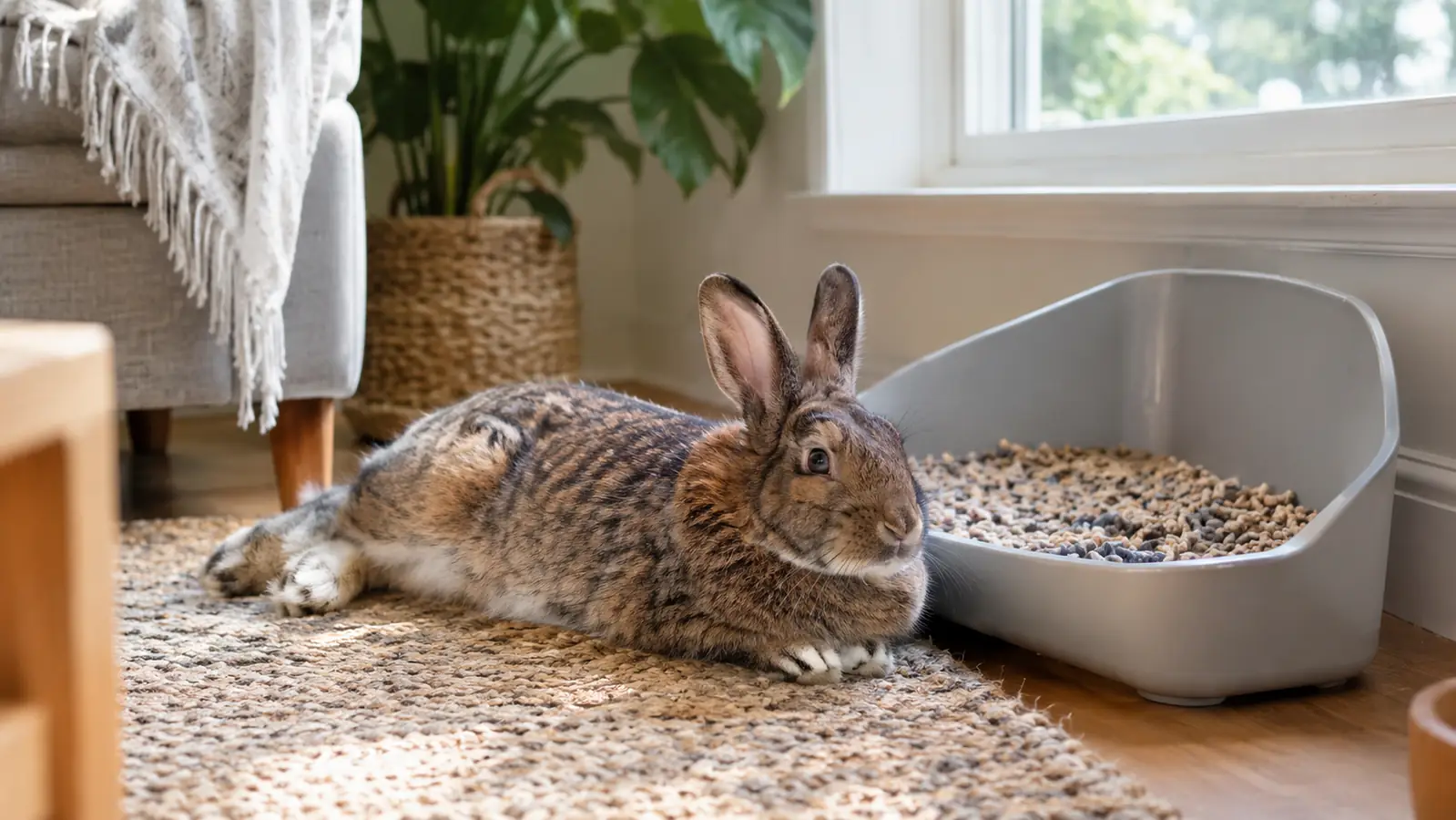
Nobody tells you that the hardest part of keeping a house rabbit is not the chewing or the cord chasing. It is the litter box. You figure out hay and pellets in the first month, but the box is a daily negotiation, and every bag of litter you try comes with a catch the packaging never mentions. After about fifteen years of house rabbits, I have been through most of them. This is the honest version of what I learned when I switched my rabbit Clover to Small Pet Select paper pellet litter.
If you are reading this because you are tired of a box that smells by day two, or pellets that turn into a wet paste, or a litter that makes your whole living room feel like a newsprint factory, you are in the right place. I am going to tell you what works, what does not, and the two things about this litter that still annoy me after more than a year of using it. The good parts first, because there are genuinely good parts. Then the parts the product photos do not show you.
The Quick Verdict
A dependable paper pellet with real odor control and a texture most rabbits settle into fast. The honest tradeoffs: it tracks more than I would like, and you have to stay on top of wet spots. I would still buy it again.
Amazon Check Today's Price →The paper pellet that finally outlasted day three in my house
Small Pet Select recycled paper pellets are the box filler I have kept coming back to for Clover, and one bag goes a long way for a single rabbit. The full breakdown of what I liked, what annoyed me, and whether it is worth switching is below. When you are ready, today's price on Amazon is a click away.
Amazon Check Today's Price on Amazon →How I've Used It
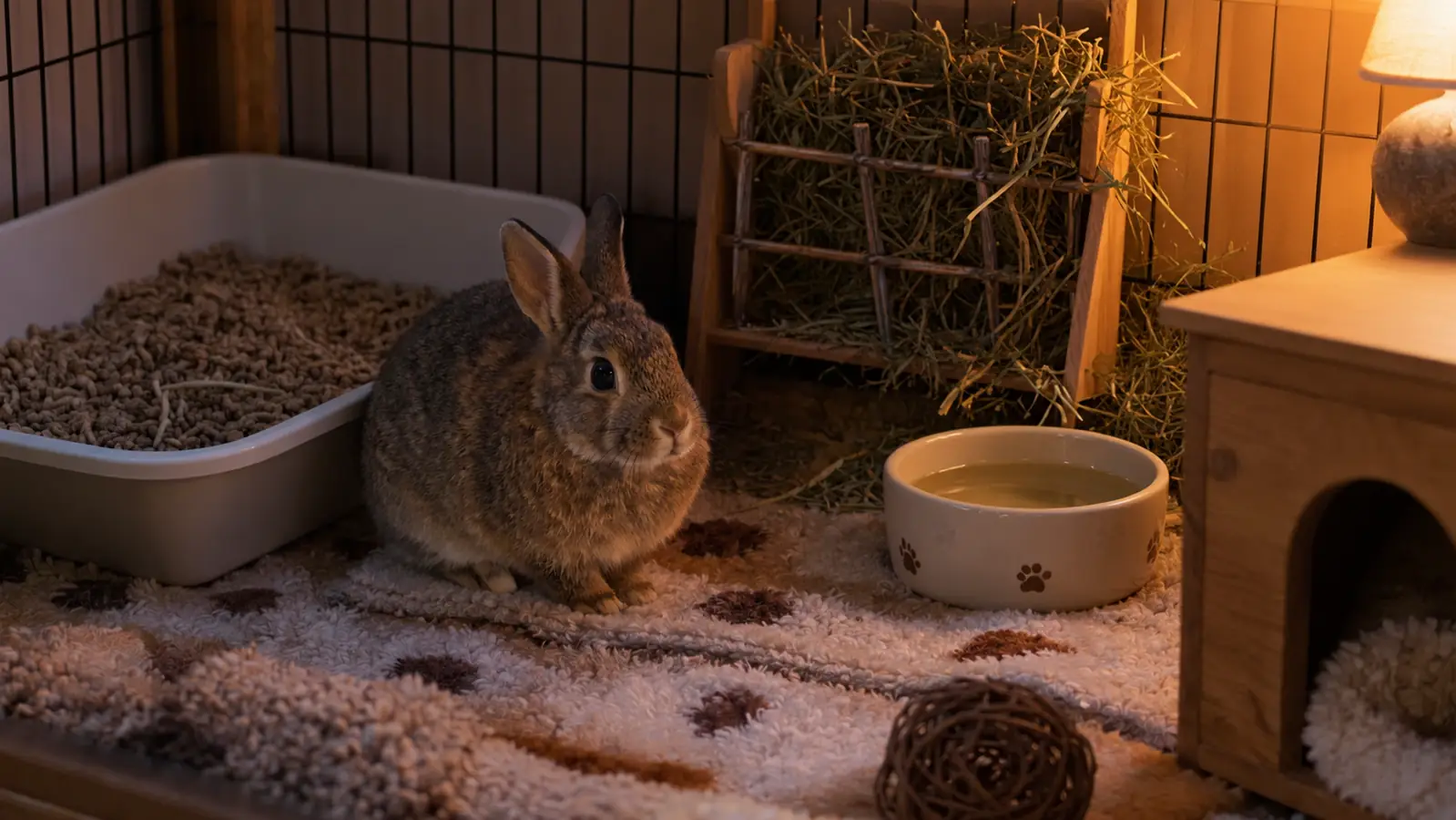
Clover is a four-year-old Holland Lop, about four pounds, and she has free run of my living room during the day with a pen at night. That means one litter box in the living room corner and a second box inside the pen. For the last year, both have been filled with Small Pet Select paper pellets. I scoop droppings daily, about ninety seconds of work, and I do a full change once a week.
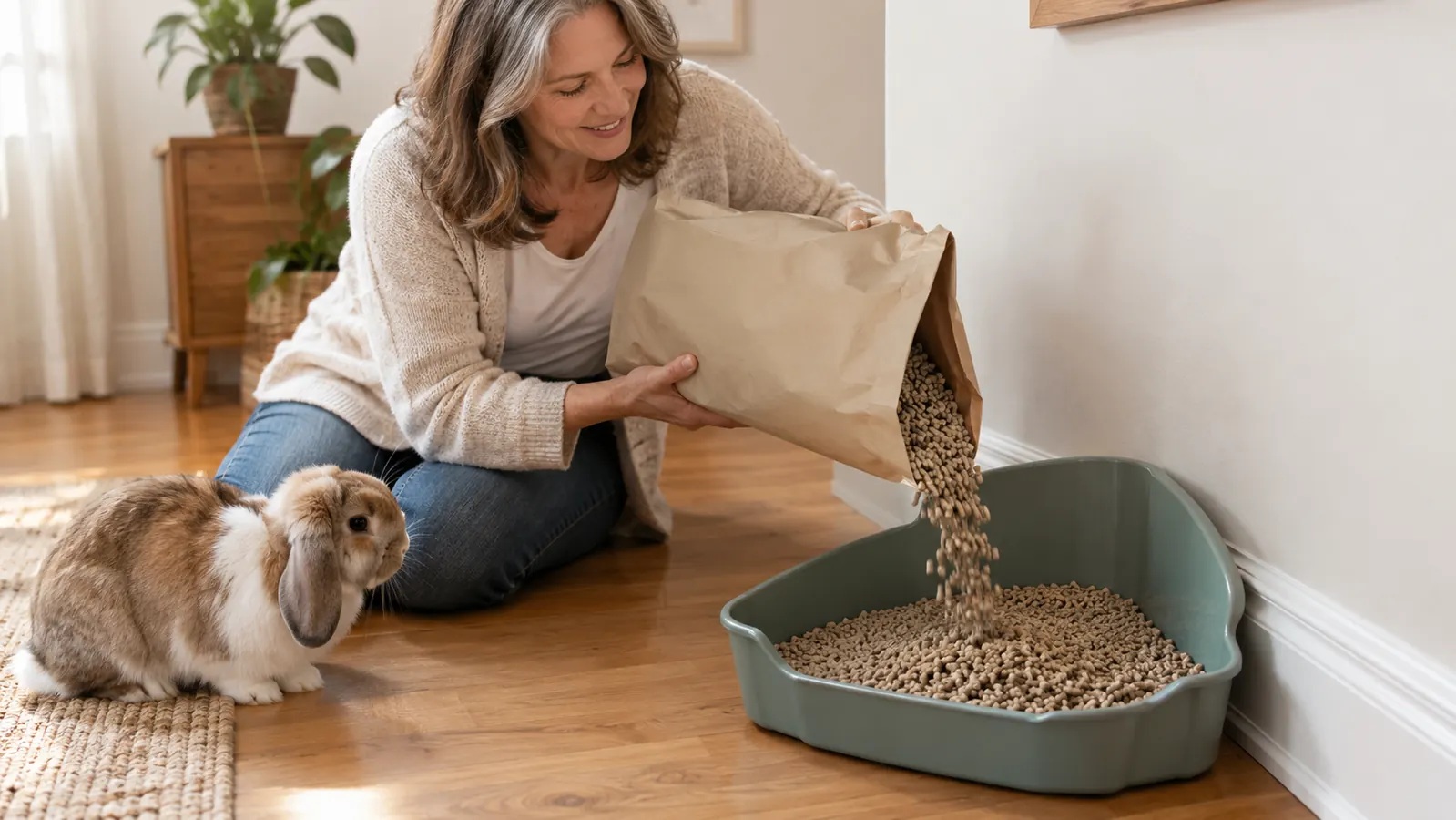
Here is the routine that works in my house. I keep the pellets about two inches deep, which is enough for Clover to dig in without sending half the box onto the floor. When I do a full change, I dump everything into a compost bag, wipe the plastic tray with vinegar water, let it dry, and pour in fresh pellets. The whole job takes about ten minutes, and I have it down to a rhythm now.
I have kept rabbits for about fifteen years, and in that time I have cycled through pine shavings, aspen, recycled newspaper crumble, and at least three other brands of paper pellets before this one. The reason I finally switched was hay. Clover likes to eat her hay while sitting in the litter box, which means hay ends up in the box no matter what I do. With the crumble litter I used before, the hay and the wet paste bonded into something I had to scrape out with a putty knife. With pellets, the hay stays loose and the whole thing tips into the compost bag without a fight.
What Nobody Tells You About Paper Pellets
Here is the first thing nobody warns you about: paper pellets do not behave like clay or wood shavings on day one. They are hard little cylinders that do not seem to absorb anything for the first few hours. If you are used to litter that visibly clumps or changes color when wet, the first day with these will make you think they are broken. They are not broken. The pellets absorb from the inside out, so a wet spot stays a wet spot until the pellet has had time to swell.
The second thing nobody tells you is that a wet pellet does not stay a neat pellet. It expands, softens, and eventually flattens into a damp sheet at the bottom of the box. If you leave a wet corner alone for too long, you end up with a heavy, sticky layer that is genuinely unpleasant to scrape off. The fix is simple: scoop the wet spots out when you scoop the droppings. But it is a habit you have to build, and the bag does not mention any of this.
The third thing is tracking. Pellets are light, and rabbits are enthusiastic diggers. Clover flicks pellets out of the box several times a day, and I sweep the corner of my living room more often than I ever did with pine. It is not a dealbreaker, but it is real, and I would rather you hear it from me than discover it on your hands and knees at nine at night.
And one more thing, for what it is worth: pellets make a different sound when they land. If your rabbit is skittish, the first few days of pellet scatter will startle her a little. Clover got used to it within a week. A rabbit who is easily spooked might take a little longer to relax around a freshly filled box.
What Actually Works Well
Odor control is where this litter genuinely surprised me. Six weeks in, the ammonia smell I had come to expect from the old setup just was not there, even on day six before a full change. Paper pellets absorb urine into the pellet rather than letting it pool, and that simple difference changes how a room smells. My living room is where Clover lives, and it is also where I drink my coffee. That matters to me.
The other thing I appreciate is that this is a plain paper product with no added scents and no pine phenols. Rabbits have sensitive respiratory systems, and pine and cedar shavings are widely advised against because of the aromatic oils they release. With paper pellets, there is no fragrance layer at all. And because Clover is a serious chewer, the fact that the pellets are not toxic if nibbled gives me one less thing to worry about. I should say plainly that she mostly ignores them, which is exactly the behavior you want.
It also composts. I toss the used box contents into my compost pile, and by spring it has broken down into something the garden is happy to receive. That is a modest thing on its own, but when you are changing a litter box every week for years, those little wins add up.
The first week is the adjustment period, and it is worth knowing that before you open a bag. Day one, nothing looks like it is working. By day four, you have learned to scoop wet spots, and you notice the room does not smell like a barn by Thursday. That was the moment I stopped second-guessing the switch.
The ammonia smell I had come to expect from the old setup just was not there, even on day six before a full change.
The Part I'd Skip (or at least prepare for)
The biggest annoyance is the wet spot management I keep coming back to. If you want a litter you can change once a week and never think about in between, this is not that litter. You will need to scoop the wet areas out daily, and on humid days the box needs attention a little more often. I have learned to read the box the way other people read a dashboard. Once you learn it, it is routine. The first month has a learning curve, and I am not going to pretend otherwise.
The second annoyance is practical: the bag is heavy and not the easiest to pour from. I keep a separate container in the house and refill it from the bag in the garage, because wrestling a twenty pound bag into my living room every week is not something I want to do. That is a logistics complaint, not a product complaint, but it is part of the real experience.
And I have to be straight about cost. A paper pellet is not the least expensive litter per bag, and if you have several rabbits or a very large setup, the difference versus pine or aspen is noticeable over a year. For a single house rabbit like Clover, the gap is modest enough that I do not care. For a rabbit room or a rescue situation, I would think hard about the budget before committing.
How Long a Bag Lasts and How I Store It
For a single rabbit like Clover, a twenty pound bag lasts me about two months. I change the main box weekly and the pen box twice a week, and I top off the boxes with a handful of fresh pellets when the level starts to look low. That works out to a surprisingly steady rhythm for one rabbit, even though the per-bag cost sits above pine.
Storage matters more than you would think. Pellets are dry and stable, but the bag is not resealable, so I fold the top over and clip it shut in the garage. In the summer, I keep it off the concrete floor so moisture does not wick in. A bag that sits in a damp garage for three months will still work, but it does not smell as fresh, and the pellets at the bottom can feel soft.
The other thing I learned is to keep a scoop with a solid bottom, not a slotted one. Slotted scoops let the loose bits fall through, and with pellets you actually want to catch the broken pieces and the softened wet spots. A solid scoop makes the daily job faster. That is the kind of detail nobody puts on the box.
How It Stacks Up Against What I Used Before
I will not pretend paper pellets are the only option, because they are not. Pine pellets are cheaper and absorb well, but they break down into sawdust that tracks everywhere, and some rabbits dislike the texture underfoot. Aspen shavings are soft and inexpensive, but they do almost nothing for odor, and you end up changing the box constantly to keep a room from smelling.
Recycled newspaper crumble absorbs okay at first but turns into a paste that sticks to the bottom of the box like cement. I spent a year scraping that stuff off plastic trays and I do not miss it. Straw is fine in a pinch but has almost no absorbency and smells sour fast. Each of those taught me something about what I actually needed.
Compared to all of those, Small Pet Select paper pellets are the most balanced choice I have used for a house rabbit. They control odor better than aspen or crumble, they track less than sawdust, and they are safer for a respiratory-sensitive animal than pine. The tradeoff is the wet spot management and the per-bag cost. That is the honest math, and I would rather give it to you straight than oversell it.
What I Liked
- Odor control that genuinely lasts to day six in my house
- No added scents and no pine phenols, so it is gentle on a rabbit's respiratory system
- Not toxic if nibbled, which matters with a serious chewer
- Composts cleanly after use
- Rabbits adjust to the texture quickly, usually within a week
Where It Falls Short
- Wet spots must be scooped daily or they flatten into a heavy, sticky layer
- Light pellets track out of the box, so plan to sweep more
- More expensive per bag than pine or aspen
- The twenty pound bag is awkward to pour from
Who This Is For
This litter is for the house rabbit owner who is tired of a box that smells by midweek and wants something dependable that will not harm a sensitive respiratory system. It is for people like me: one or two rabbits indoors, a daily scooping habit, and a compost pile or a trash can that does not mind a heavy bag. If you are already scooping droppings every day, adding wet spots to that routine costs you about thirty seconds.
It is also for people who read the ingredients label, because this is a simple recycled paper product with nothing added. If you have ever stood in a pet supply aisle wondering which bag will not make your rabbit sneeze, this is the kind of litter that answers that question quietly.
This is the litter I would hand to someone who has just adopted their first rabbit and is standing in the aisle with no idea which bag to grab. It is forgiving enough for a beginner, honest enough about its quirks that you will not feel blindsided, and safe enough that you will not spend the first month worrying about what your rabbit is breathing.
Who Should Skip It
If you want a set-and-forget litter box, if your budget is tight and you have several rabbits, or if you simply cannot stand sweeping pellets off the floor, this is not the litter for you. Pine or aspen will serve you better on cost, and a high-sided tray can help with tracking, but nothing fixes the daily wet spot scooping except a different product.
There is no litter that does everything. Anyone who tells you otherwise is selling something, and that is exactly why I wanted to write the honest version. If the tradeoffs here sound like tradeoffs you can live with, Small Pet Select is worth a try. If they do not, you just saved yourself a bag of litter and a month of learning.
If you are still figuring out whether you even want a daily scooping routine, start with whatever litter you already have and get the habit down first. The best litter in the world will not save a box that is ignored for a week. Come back to this one when you know what you can maintain.
If you are ready to try a paper pellet that holds up past day three
Small Pet Select has been the box filler in my house for more than a year, and it is the one I recommend when rabbit owners ask what I actually use. Read the honest breakdown above, decide whether the daily scooping fits your routine, and when you are ready, the current price on Amazon is one click away.
Amazon Check Today's Price on Amazon →